Introduction
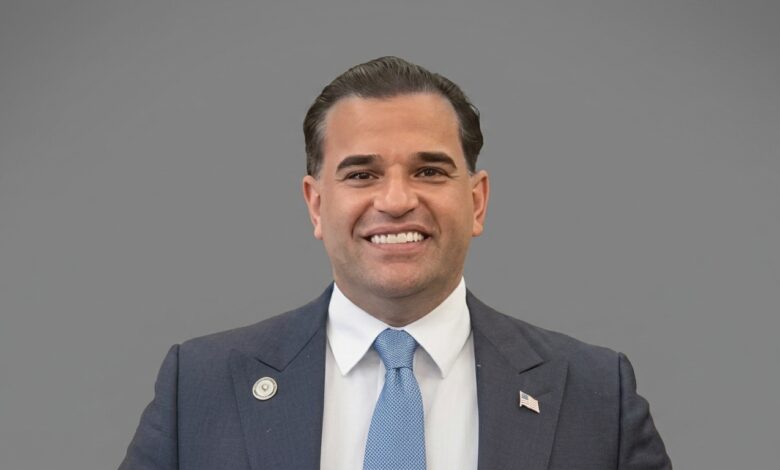
Mark Savaya is widely recognized as one of the most visible entrepreneurs in Michigan’s legal cannabis industry. He is best known as the founder and chief executive behind Leaf and Bud, a cannabis company associated with cultivation, processing, and retail operations in the Detroit area and other parts of Michigan. Over the years, his name has become connected with the rise of legal cannabis as a serious business sector rather than a hidden or informal market. In a state where cannabis evolved from medical use into a large adult-use commercial industry, Savaya built a reputation as an early mover who understood both the opportunity and the complexity of the business.
His story is important because it reflects more than personal success. It also shows how the cannabis sector in Michigan has changed through regulation, investment, technology, branding, and public acceptance. Savaya has often been described as part of a new class of business owners who brought structure and scale into an industry that used to operate in much smaller and less formal ways. Through Leaf and Bud and his related consulting work, he has been associated with business growth, job creation, and the broader conversation about how cannabis can fit into the economic life of cities such as Detroit.
Early Life and Background
Mark Savaya comes from the Chaldean community, a community of Iraqi Christians that has had a strong entrepreneurial presence in Metro Detroit for many decades. In southeastern Michigan, Chaldean families have long been active in business ownership, and that culture of independence, hard work, and commercial ambition has influenced many local entrepreneurs. Savaya is often viewed within that tradition, as someone who took a high-risk but high-potential industry and tried to build a durable business around it. His background is part of the reason many people connect his career with the larger story of immigrant and minority entrepreneurship in the Detroit region.
Growing up around business-minded people likely helped shape the way he approached opportunity. Instead of seeing cannabis only through the lens of controversy or stigma, he appears to have viewed it as an emerging market that would eventually require infrastructure, management, and long-term planning. That point of view mattered because the cannabis industry, especially in its earlier years, needed people willing to move beyond the informal caregiver model and think in terms of branding, facilities, staffing, compliance, and customer experience. Savaya’s rise reflects that shift from small-scale participation to large-scale structured enterprise.
Entering Michigan’s Cannabis Market
Michigan’s legal cannabis story began with medical marijuana legalization in 2008, but the early environment remained confusing, uneven, and heavily debated. Many people were uncertain about how far the law allowed businesses to go, and local governments often took very different positions on licensing and operations. Mark Savaya entered the field during a period when the industry still carried social stigma, regulatory uncertainty, and serious financial risk. That timing is significant because success in those early years required patience, legal awareness, and a willingness to build in a space that had not yet fully matured into the commercial market people see today.
When Michigan later expanded into the adult-use cannabis market after the 2018 legalization vote, operators who had already built knowledge and relationships gained a major advantage. Savaya was among those who benefited from entering earlier and learning the system before the industry became crowded. That early position helped him understand licensing pathways, consumer demand, operational needs, and the challenges of scaling production while staying compliant. In a market where many new entrants came in after legalization hoping for quick returns, his experience gave him a stronger base from which to expand and build a recognizable brand.
Leaf and Bud and the Vertically Integrated Model
The company most closely tied to Mark Savaya is Leaf and Bud, which is widely described as a vertically integrated cannabis brand in Michigan. Vertical integration means a company controls multiple stages of the supply chain rather than relying entirely on outside vendors or third parties. In cannabis, that usually includes cultivation, processing, packaging, and retail sales. Savaya’s strategy has emphasized that model because it gives a business more control over product consistency, pricing, inventory flow, and the overall identity of the brand. Instead of simply selling cannabis grown by others, Leaf and Bud has been associated with a seed-to-sale approach.
This model also makes business sense in a competitive market where customer loyalty depends on trust and quality. If a company controls how cannabis is grown, handled, processed, and presented to the customer, it can create a more reliable consumer experience. Savaya’s public image in the industry has been linked strongly to this idea of controlling the full chain rather than working as only a retailer or only a grower. That approach helped distinguish Leaf and Bud in a crowded market and allowed the brand to present itself not merely as a dispensary, but as a complete cannabis operation built around consistency, efficiency, and scale.
Facilities, Technology, and Michigan Locations
Leaf and Bud has been associated with a large Detroit facility of roughly 50,000 square feet, a size that reflects serious investment and large operational ambition. This facility has been described as housing major cultivation and processing activity along with retail-facing functions, making it a flagship site for the brand. In addition to Detroit, the brand has had a presence in Center Line and Hazel Park, helping establish a broader footprint in the Michigan market. These locations matter because they show that Savaya did not remain a small local operator but instead worked to build a regional business capable of serving different communities while maintaining a recognizable identity.
Savaya has also been linked with a modern, technology-driven approach to cultivation and production. Reports and interviews about his business have highlighted the use of advanced grow methods, including high-efficiency LED lighting, environmental controls, and systems designed to improve plant quality and operational consistency. In a highly competitive cannabis market, these investments can affect everything from yield and potency to cost management and sustainability. His business style has often been described as data-conscious and systems-oriented, reflecting the growing reality that successful cannabis companies now operate more like sophisticated agricultural and consumer-product firms than informal boutique ventures.
Future Grow Solutions and Industry Consulting
Beyond his direct role in operating Leaf and Bud, Mark Savaya has also been connected to Future Grow Solutions, a consulting business aimed at helping other people enter or navigate the legal cannabis industry. The logic behind this second venture is easy to understand. Cannabis can be difficult to enter because it involves licensing, municipal approval, facility planning, compliance rules, product knowledge, and capital-intensive operations. For many investors or entrepreneurs, the most expensive mistakes happen before a business even opens its doors. By offering consulting services, Savaya positioned himself not only as an operator but also as someone willing to share his experience with others trying to break into the market.
Consulting work also strengthened his public role within the industry. It allowed him to be seen as more than a local business owner and more as a practical resource for people seeking guidance in a regulated market. Services connected with this kind of consulting typically include license strategy, facility design, compliance support, operational planning, and help understanding the realities of cultivation or retail. Whether working directly with investors or advising potential operators, Savaya’s involvement in consulting reinforced the idea that he had accumulated knowledge valuable beyond his own company. That kind of influence matters in an industry where expertise can often be as important as capital.
Community Role, Employment, and Public Visibility
An important part of Mark Savaya’s public image has been his repeated connection to community engagement in Detroit. In a city where residents often expect businesses to contribute more than profits, Savaya and the Leaf and Bud brand have been associated with efforts such as food drives, holiday giveaways, and local outreach initiatives. Those efforts are notable because the cannabis industry still works to improve its image in many communities. For business owners in this space, public trust can be strengthened when they show visible support for the neighborhoods where they operate. Savaya has often been discussed as someone who understands that community reputation matters alongside commercial success.
Employment is another major part of that picture. Large cannabis facilities create jobs in cultivation, trimming, packaging, processing, security, logistics, retail sales, administration, compliance, and maintenance. Savaya has been presented in media and industry discussion as a local employer whose operations contribute to Detroit’s economy. He has also appeared in local media, including outlets such as FOX 2 Detroit and WDIV Local 4, where he has spoken about cannabis trends, business growth, and the economic value of the legal marijuana market. That visibility has helped make him one of the more publicly recognized cannabis entrepreneurs in the region, rather than someone operating quietly behind the scenes.
Business Challenges and Regulatory Pressure
Like many cannabis entrepreneurs, Mark Savaya has had to work inside a business environment that is both promising and difficult. Even when a state legalizes cannabis, companies still face major obstacles because federal law has not fully aligned with state law. That creates problems involving banking, financing, tax burdens, insurance, and interstate business limitations. On top of that, Michigan’s cannabis market is intensely competitive, with many licensed operators fighting for customer attention, shelf space, and margin. In such a landscape, maintaining consistent quality, controlling costs, and keeping up with regulation becomes a constant challenge rather than a one-time task.
Public discussion around large cannabis companies often includes issues such as partnership disagreements, ownership complexity, licensing pressure, and changing compliance expectations. Savaya’s business journey has unfolded in that same demanding environment, where growth brings more scrutiny and more operational risk. It is common in this sector for companies to face close oversight from regulators, shifting local rules, and the kind of legal and contractual tensions that appear in fast-growing industries. The fact that Savaya has remained a known figure despite those pressures suggests resilience and strategic persistence, two qualities that are essential for anyone trying to build a lasting cannabis business in Michigan.
Reputation, Influence, and Future Outlook
Mark Savaya’s reputation today rests on several connected ideas: early entry into cannabis, large-scale operations, vertical integration, consulting expertise, and visible engagement with Detroit. For supporters, he represents the modern cannabis entrepreneur who turned a once-marginalized market into a structured commercial business. For observers of Michigan’s cannabis economy, he is part of a larger trend in which operators are no longer simply selling a product, but building brands, systems, facilities, and customer relationships that resemble other mainstream industries. That is one reason his name continues to attract attention among consumers, investors, and people interested in the future of regulated cannabis.
Looking ahead, the long-term importance of figures like Savaya will depend on how well they adapt to a maturing market. Michigan’s cannabis industry continues to evolve through pricing pressure, consumer education, product diversification, and regulatory refinement. Operators who survive and grow will likely be those who combine efficiency with brand trust and local relevance. Based on his established presence through Leaf and Bud and Future Grow Solutions, Savaya appears positioned as someone who intends to remain active in that evolving space. Whether viewed as a businessman, an industry builder, or a visible Detroit entrepreneur, he remains closely tied to the ongoing story of legal cannabis in Michigan.
Conclusion
Mark Savaya’s business journey reflects the transformation of cannabis from a controversial subject into a major regulated industry with real economic impact. His name is most strongly linked with Leaf and Bud, a vertically integrated cannabis company associated with cultivation, processing, and retail operations in Michigan, especially in Detroit and nearby communities. He is also linked with Future Grow Solutions, a consulting platform that extends his role beyond ownership into industry guidance. Together, these ventures have made him a recognizable figure in Michigan’s cannabis world and a symbol of how early movers helped shape the state’s legal marijuana market.
At the same time, his story is not only about business growth. It is also about timing, risk, community presence, technology, and the challenge of building legitimacy in a heavily regulated field. His Chaldean background, Detroit business presence, public interviews, and community-facing efforts have all contributed to the image he holds today. While the cannabis industry remains complex and highly competitive, Savaya continues to stand out as one of the entrepreneurs most often associated with Michigan’s effort to turn cannabis into a structured, modern, and economically significant industry.
FAQs
1. Who is Mark Savaya?
Mark Savaya is a Michigan cannabis entrepreneur and the founder of Leaf and Bud, a vertically integrated cannabis company.
2. What is Leaf and Bud?
Leaf and Bud is a cannabis brand in Michigan involved in cultivation, processing, and retail sales.
3. Where does he operate?
He operates mainly in Detroit, with additional locations in Center Line and Hazel Park, Michigan.
4. What is Future Grow Solutions?
Future Grow Solutions is a consulting business that helps people enter and manage cannabis operations.
5. Why is he known in the industry?
He is known for early entry into Michigan’s legal cannabis market and building a large-scale, vertically integrated business.